Some writers leave their mark through the books they publish.
Others extend their influence through the writers they encourage, the communities they build, and the doors they open for others. Marita Golden embodies all these qualities.
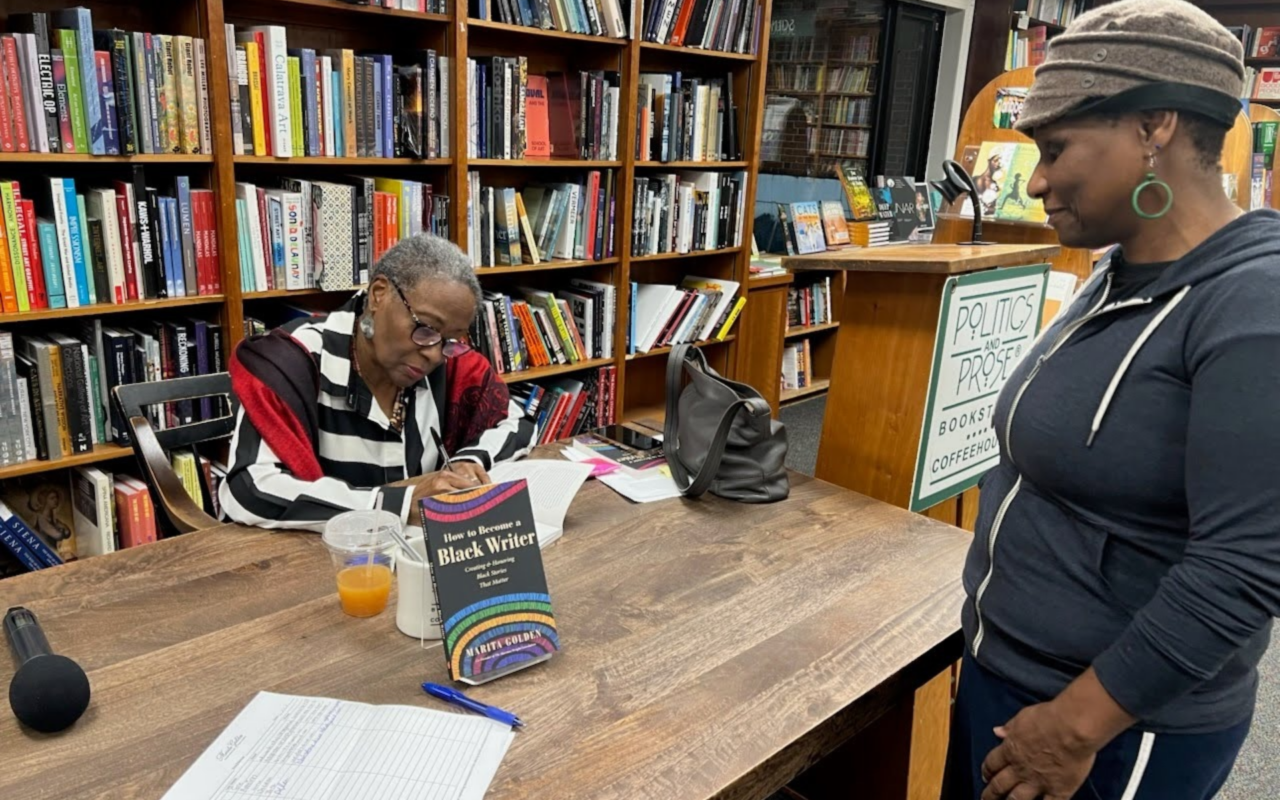
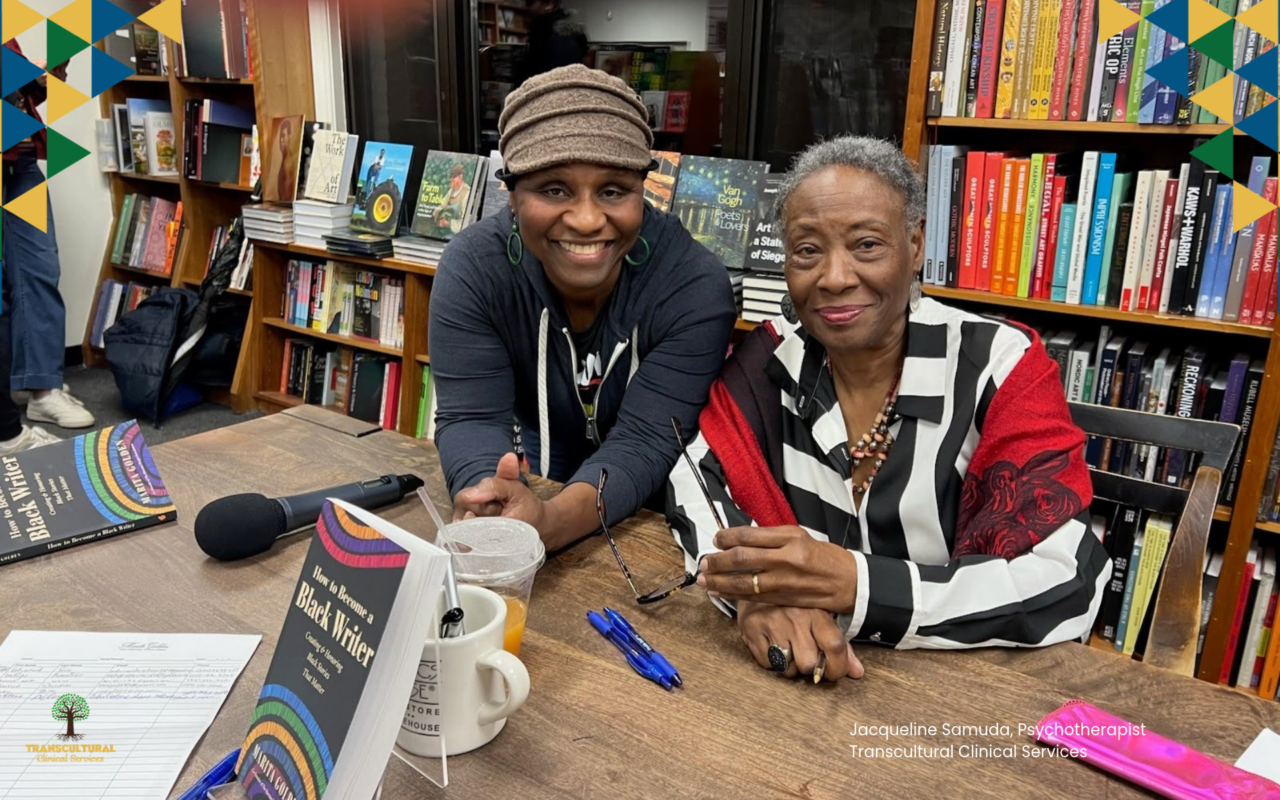
November 18th was National Book Awards Day. I want to give a special shout-out to Marita Golden, an acclaimed writer whose work spans multiple genres, including fiction, memoir, essays, and nonfiction.
Her influence extends well beyond her literary contributions.
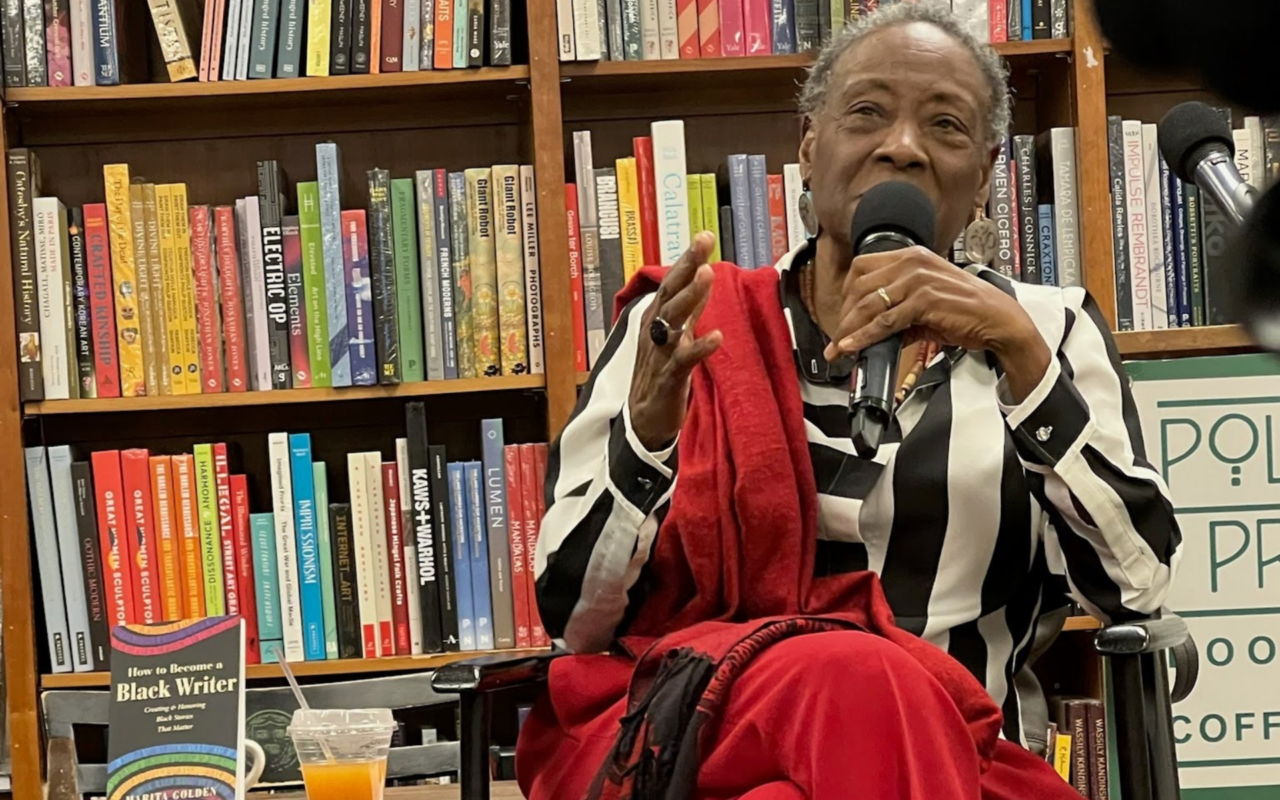
As co-founder of the Hurston/Wright Foundation, she has helped create an important platform that recognizes, honors, and supports writers of African descent.
Throughout her career, Marita has received numerous honors, including the Barnes & Noble Writers for Writers Award, the Authors Guild Distinguished Service Award, and an NAACP Image Award nomination for fiction.
Her recognition also includes an Honorary Doctor of Arts and Letters and induction into the International Literary Hall of Fame of Writers of African Descent.
Yet, despite her accomplishments, Marita has retained an approachable, down-to-earth quality. She remains engaged with the changing literary landscape, takes an interest in emerging voices, and allows her interests and focus to evolve with the times.
What I particularly appreciate about Marita is her commitment to building community.
In her classes, she teaches writing techniques, but just as importantly, she creates opportunities for writers to share ideas, encourage one another, and develop relationships that extend beyond the classroom.
I have also experienced her generosity firsthand. One example I hold particularly close is her invitation to contribute an essay to her collection, The Strong Black Woman: How a Myth Endangers the Physical and Mental Health of Black Women.
Given my professional background in mental health, being included in this collection was particularly meaningful.
The book brings together different perspectives and reflections on the Strong Black Woman label, the expectations attached to it, and the potential consequences for Black women’s emotional and physical well-being.
My essay explored how my therapist’s decision to hand me a copy of Edwidge Danticat’s novel, Breath, Eyes, Memory, demonstrated her cultural understanding and clinical insight.
In that gesture, I recognized that my therapist understood the intergenerational dimensions of my experience and had the clinical skills to help me unpack the trauma I carried.
My therapist’s ability to connect literature with my lived experience strengthened my trust in her and was paramount to my decision to continue therapy.
Marita’s invitation allowed me to contribute to an important conversation about Black women’s mental health while bringing together two areas close to my heart: literature and emotional well-being.
Ultimately, Marita Golden’s contribution to the literary world is reflected not only in the books she has written and the recognition she has received, but also in the writers she encourages, the community she nurtures, and the doors she opens for others.
Thank you, Marita, for sharing your knowledge, extending your generosity, and reminding us that success need not be a solitary journey.
As we say in Jamaica, BIG UP, MARITA!